CRMs are no longer a stand-alone tool for the modern real estate professional. It has evolved into the command center of the technology ecosystem that is connected. Its true power is not unlocked in isolation however, it is due to its capacity to integrate seamlessly with the other essential agents' tools. From the vital information from the MLS to the channels for communication of social media and email, integrations transform a CRM from a simple contact management tool into an intelligent, highly-data-rich engine that can be used for development. These connections eliminate the burdensome manually entered data and break down information silos. They make a more unified workspace, where data can be seamlessly shared across platforms, and decrease the number of data silos. This synergy will ensure that every client interaction is informed and that each marketing communication is relevant, as will every agent's action. It is vital to use a CRM effectively by understanding the impact of integrations. The following 10 tips will help you understand the way CRM software interacts with real estate tools to create a more efficient, time-saving, and cohesive framework.
1. MLS integration is the lifeblood of property Data
It is, by far, the most important integration for any CRM for real estate. A two-way MLS connection is vital. It permits agents, after making a listing available to integrate the listing data into the CRM. This ensures all details are accurate, and immediately available to marketing. It also permits the CRM to obtain information from any property the lead has seen through an agent's IDX powered website. It allows for a detailed analysis of the lead's behavior and interests, which allows an extremely personalized follow-up.
2. Automated Alerts and notifications based on MLS
MLS integration goes far beyond data import, enabling an automated process that is proactive. The CRM is able to keep track of the MLS using the saved search criteria for buyer leads and then send an email or text message when an appropriate property hits the market. Listing agents will receive alerts regarding comparable properties, or comps that have been sold or changed in price. This information is essential to advise sellers customers. This makes the CRM a market monitoring service which is accessible 24/7.
3. Email Platform Synchronization (e.g., Gmail, Outlook)
A two-way sync with an agent's primary email client is not a matter of negotiation. This means that each email that is sent or received through the agent's Gmail or Outlook account is automatically registered against the corresponding contact record in the CRM. The CRM account does not need to be CCed or BCCed. This will create the complete history of all communications for every single contact. Agents and team members will have full information prior to each interaction.
4. Connectors to Email Marketing Platforms (e.g. Mailchimp, Constant contact)
While a lot of CRMs have built-in tools for email, integrating them with platforms like Mailchimp will boost the effectiveness of marketing. This connection allows seamless list synchronization. Mailchimp allows CRM leads to be automatically added to the Mailchimp audience list. Unsubscribes can be synced into the CRM, ensuring compliance. The CRM will manage the data on contacts, while marketers benefit from the advanced analytical and design capabilities of these platforms.
5. Calendar Integration to Unified Scheduling. (Google Calendar, Outlook Calendar, etc.)
This integration combines the agent's calendar and CRM into one reliable source. Shows, appointments and closing dates set in the CRM will block out time on the agent's Google or Outlook calendar. The CRM will also show personal appointments added to the calendar, to prevent double-booking. This is the foundation that allows automated links to schedule appointments, which allows clients to make reservations and have them sync up directly to both systems.
6. Social Media Platform Integration
CRM integrations that integrate with Facebook and Instagram serve two main purposes. They first aid in capturing leads. A lead generated by a Facebook Lead Ad can be automatically formatted and sent directly into the CRM as a new contact, which eliminates the need for manual export/import. Another advantage is that they permit social media management and posting from the CRM dashboard. It allows agents to manage and schedule posts, as well as maintain the same and consistent social presence.
7. Integration of E-Signature tools (e.g. DocuSign HelloSign).
The integration bridges the gap between relation management and the execution of transactions. An agent is able to generate a DocuSign/HelloSign signing request directly from the record of a transaction or contact in the CRM. The CRM then tracks the status of the document - sent to be signed, viewed, or viewed and records the activity in a way that is automatic. This creates a seamless, paperless workflow and provides immediate insight on the process of signing critical documents like contracts and disclosures.
8. Transaction Management Platform connectivity
The integration of the CRM with teams or brokerages using specialized transactions management (like Skyslope) is crucial. It facilitates the transfer between the sales pipeline and the compliance and operations pipeline. When a deal is moved from "Pending to "Pending in the CRM system, a new file can be created in the management system which is already filled with client and property details. This eliminates the need for double data entry, and gives operational teams immediate access to files.
9. VoIP Phone System Integration (e.g., RingCentral, Kuku.io)
In integrating the Voice over IP telephone system phone calls are brought into the CRM's orbit. This enables "click-to-call" function directly from an existing contact record, and automatically logging the call's date and time as well as the duration. Advanced integrations even allow for voicemail transcription and recording (with conformance). These can be added to the profile of the contact. This provides the complete audit trail of all telephone communication.
10. Lead Generation Platform Data Pipes (e.g., Zillow, Realtor.com)
An integration direct with major lead generation portals is crucial to increase efficiency. In real time instead of downloading fresh leads from each portal daily, the CRM automatically imports them. The integration will be able to identify the source of the lead so that the agent is aware the lead was generated by "Zillow Premier" Agent. The agent can later assign a score the lead or start an email drip campaign for "Zillow Leads" ensuring the proper follow-up plan from the very first contact point. See the top rated full report on best crm for real estate for more advice including crm for marketing automation, email and crm, google crm, crm software for small businesses, crm for realtors, good crm for real estate, crm system meaning, ai and crm, sales tools, google crm and more.
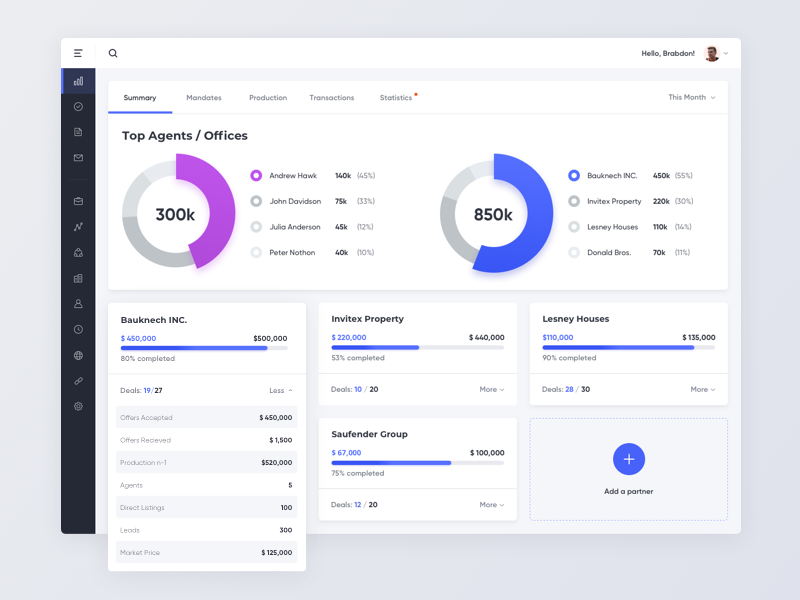
Top Crm Software Features That Customize Client Interactions With Real Estate Agents
The ability to personalize interactions with clients is the thing that distinguishes outstanding real estate agents. Today's clients expect more than just transactional service; they seek a partner who can meet their specific needs, can remember their preferences and communicates with a sense of urgency and care. CRM software is the key to providing personalized service on a a large scale. Modern CRM is from a static and unpersonal database. It serves as a smart assistant, an ever-changing storage of data, which is used by the agent. It gathers many information from every interaction, and then uses the information to help inform future communication. Every interaction will be thoughtful, timely, tailored and unique to the user. The method of personalization is a systematic approach to transform an experience for clients that is generic into one that is genuine. It creates greater trust among customers, boosts referrals and creates a reputation for providing exceptional service. The next ten points outline the specific ways that CRM allows agents to tailor interactions and dramatically improve the relationship with customers.
1. Centralized Client history to facilitate conversations that are based on context
A CRM acts as the sole point of reference for each client interaction. It automatically records each telephone call, email (with notes), message sent via text, and meetings. Agents can glance over the history of previous communications prior to beginning any new communication. Agents can pick up an exchange quickly and then refer to personal details which were previously discussed ("How was the graduation of your daughter? The client can be followed with regard to an issue or concern. This is a sign of respect and lets the client know that they are not just for the transaction but as individuals. It also helps build an immediate relationship and builds trust.
2. Interest-based and property-specific tracking
Personalization in real estate is closely connected to the preferences of property. Agents can keep track of the properties that a client has been able to view, comment on and saved by using an integrated CRM with MLS. By having this information, agents can go beyond the generic new listings alerts. They could send a custom email, saying "I saw that you were interested in the colonial home on Maple Street." There are three homes that are similar in features, but a bigger backyard. The house located on Oak Avenue you loved just got a price cut. This kind of proactive and motivational communication proves that the agent is attentive to their client, and actively working on their behalf.
3. Automated lifecycle, milestone marketing and automated lifecycle
CRMs allow personalization that continues beyond the end of. It can automate touchpoints according to the client's "lifecycle." At the time of a first purchase, an automated email with the current estimate of the value of the home can be sent. On a client's birthday or holiday an engraved greeting could be sent out automatically. The system will send messages to past clients regarding the expiration date of homeowner's policies or seasonal home maintenance reminders. These timely, relevant touches keep the relationship warm and position the agent as a lifelong advisor.
4. Segmentation of Hyper-Targeted Communications
Aiming to send the same message to everyone is not personal. CRMs allow agents to separate their databases into specific groups, based on any information that includes past clients, first-time buyers; empty-nesters; luxury sellers, or even neighborhood aficionados. It allows for highly targeted messages that are well received. Groups like first-time homeowners are able to receive information on buying and mortgages, while a luxury seller group gets information about the high end market. This makes sure that all messages are useful and beneficial to the people who receive them which increases the likelihood of engagement.
5. Personalized Content and Document Delivery
A CRM lets agents design and distribute customized document sets without a hassle. CRMs allow agents to make pre-listing kits for sellers, which include details about the buyer like their address, name, and recent sales of comparable homes in their local area. For buyers the custom home search report can be generated automatically and mailed out every week. This level of personalization in official documents shows professionalism and consideration. Customers feel that their transactions are handled with individual attention.
6. Follow-up sequences are automatically created and personalised.
While the automation will handle the timing, the CRM will make sure the content remains personal. With dynamic fields, you are able to develop drip campaigns based upon the client's preferences like their preferred location and budget. Advanced systems can make use of behavioral triggers to send personalized follow-ups. For example when a user spends a lot of time on the "home staging" page it will be added to a sequence that explains how to prepare your home for sale. The information feels more personal and individual than an ordinary email.
7. Acknowledgment of Referral and Source-Based
If a lead is generated from a past client's referral, the CRM tracks the source. This lets the agent immediately personalize the first conversation with the prospect by mentioning the mutual relationship: "Hi Sarah, I was thrilled when John and Jane Smith recommended I reach out to you." This instantly establishes trust and warmth. Additionally, it encourages the agent to send a personalized thank-you note or a gift to the person who recommended them, strengthening that relationship through acknowledgement and gratitude.
8. Communication Preference Logging and Adherence
Personalization refers to respecting the preferences of a client regarding how they would like to be reached. A CRM allows agents to log each contact's preferred method of communication--whether it's text, email, or a phone call--and their preferred time of day. When they respect the preferences of the client, agents can demonstrate their appreciation. When someone prefers texting or texting, forcing them into conversations over the phone can be uncomfortable. By honoring this preference, the interaction is more efficient and enjoyable.
9. Personalizing tasks and reminders for proactive service
The task management system of CRM permits an agent to create personalized reminders for client-specific items that go beyond transaction deadlines. This could include "Check-in with Millers for the first time they visit school in their new area" and "Follow the news about Tom Davis' job transfer decision six months from now." This thoughtful, proactive touch that is triggered by the CRM, lets clients know that the agent cares about them long-term, and not only for the sale.
10. Integration with Personal Notes Platforms and Gifting Platforms
The most profound form of personalization is often in the absence of digital communication. CRMs can connect with tools like Handwrytten or SendOutCards to automate the distribution of handwritten notes for closings and anniversaries or referrals however, with a customized message. The CRM is able to track the milestones and interests of clients (e.g. a new born baby or a love for golf) to ensure that the person is reminding them to give a gift. This seamless fusion of high-touch, analog gestures along with digital organization makes sure that no chance for meaningful personalization ever goes unnoticed. Check out the best best crm for real estate hints for website advice including crm software app, crm tools, crm small business, pipe line sales, real estate buyer leads, crm small business, real estate crm programs, marketing for real estate, free crm for realtors, crm programs for realtors and more.