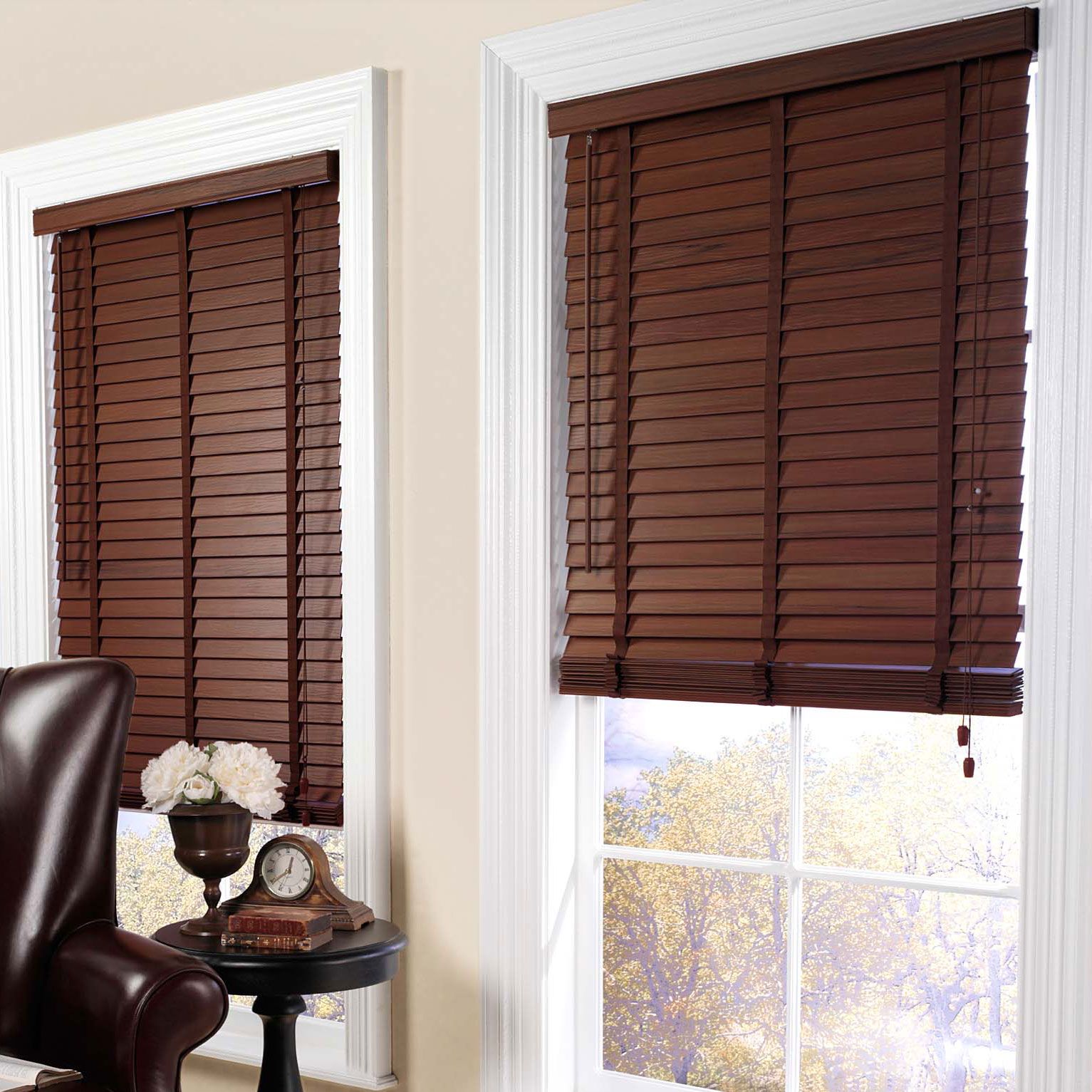
Australia does not have a single climate, but many. The hot, dry temperatures of Alice Springs' summer is distinct from the humid and saturated air of Cairns during the wet season. Both are also different from the salty winds that buffet a Brighton beach house. This vast regional diversity isn't just for weather reports--it's the single most neglected aspect when it comes to choosing furniture for windows. If you select blinds solely on the image in a catalog without considering the local climate, it could cause early loss of color and warping. It can also lead to corrosion. Blinds should be as durable as your lifestyle; they are designed to meet the particular requirements of your area.
The failure mechanisms are distinct and severe. In the humid tropical tropics and sub-tropics of Queensland and Northern NSW, the enemy is moisture within the air. Continuous high humidity can act as a slow, pervasive force. It attracts organic materials and causes wood slats that are not treated, for instance to expand, break, and then become trapped within their ladders. This causes mildew and mould development on natural fabrics like linens and cotton. Musty odors and stains result. If not coated properly even metallic components like chains, cords or headrails can rust. This is why resistance must be obtained through the use of non-toxic synthetic materials.
If you reside in a humid environment the most effective blinds to choose are those constructed from contemporary polymers or composites. Venetian blinds made of PVC (vinyl), and faux-wood are ideal for humid zones. They are not porous, and they are not able to absorb moisture thus warping and microbial growth are not a problem. Because of their powder-coated surfaces aluminium venetians also offer modern and sleek appearance. Look for softer styles in roller or Roman blinds that are composed of solution dyed acrylics or polyesters. These fibres that are impervious to moisture in their natural state, are typically treated with antimildew compounds. Natural fibres, such as natural fibres and unlined timber are not recommended in applications that require high levels humidity.
In the interior of Australia in the interior, where it's hotter and drier ultraviolet radiation and the extreme temperature fluctuations throughout the day are the main assault. The Australian sun is more than just lighting up the room. It also degrades the material. Fabrics can fade, plastics can become brittle and the constant expansion of temperatures that are cold to hot can result in fittings and mechanisms to be stressed. UV stability in this climate is crucial.
Fabrics designed to resist solar radiation is the best choice. Fabrics that are outdoor-rated, even when used indoors, can be a wise investment. These fabrics are made out of yarns which have been dyed with a solution (often sold under the name Sunbrella) and the colour has been embedded into the polymer. This is why they are very resistant to fade. Blinds that are made of rollers with a UV-protective coating are vital, not just for the furnishings, but also to ensure the blind's longevity. Aluminum slats may be used however, all blinds should have UV-stabilised plastic components. It's all about color dark tones are more prone to absorb heat, which could result in them degrading faster in the sun. While lighter shades reflect heat, and are more likely to not to fade as fast.
Then there's the coastal zone. It's a small and densely populated region where the air is a mixture of sand and salt sprays. Metals are attacked with a constant speed in this corrosive climate. A typical metal roller blind cassette or aluminium slat with an inferior coating can quickly exhibit signs of pitting and chalky, oxidised finishes. Sand carried by wind can be a gentle abrasive which microscopically scrubs surfaces.
For homes that are located in the coastal zone, the specification must be strong. The use of marine-grade steel or aluminum parts is a requirement for all metal parts. This includes the headrail and tilt wand. Be sure to look for "coastal" and "salt air-friendly" ratings. This generally means that the fittings underwent specific anodising or coating processes (like marine-grade pigment coats) in order to withstand the test of salt air. PVC acrylic fabric and composite “faux wood” all resist salty air. To stop rust from forming on your walls, it is important to use anchors made of stainless steel and avoid using ferrous metals.
There are microclimates that exist outside these broad areas. The south-facing balcony of Melbourne is subject to cool and damp conditions. West-facing windows in Adelaide receive powerful afternoon sun. It is at this point that a local supplier who has the right knowledge is invaluable. In real homes, they have seen the things that work, and what isn't working in the particular location you live in. They know which powder coats hold up more well in Bribie or which blends of fabrics resist fading under Perth's sun.
They can also answer location-specific questions. "I am three streets away from the Sorrento beach - do I require the whole marine-grade product?" It is possible to ask "For a west-facing sunroom at Penrith, which is the TSER (Total Solar Energy Rebuffed) fabric with colourfastness you own?" The answer they provide should be based on the local experience and not an online sales brochure.
Ultimately, viewing your blinds through the lens of climate suitability can provide longevity as well as security. There is a difference between a blind that's only a temporary decor and one that becomes an integral part of your house. Modern materials science has been developed to meet the Australian requirements of the environment. Blinds designed to be used in your backyard is much more than an ordinary window cover. You're purchasing an item that looks good and operate efficiently. It will serve its purpose every season and not fall prey to the very factors it was designed to block. This is the best way to think about design - beauty built for your home. Read the top rated blinds for site examples including blinds prices, cheap blinds australia, quality direct, window shades online, blinds fitting, discount blinds direct, direct from factory wholesale, get blinds, blinds place, blinds direct perfect fit installation and more.

The Fine Print Guarantee How To Recognize Blind Warranties Prior To Buying
The warranty is frequently ignored in the final stages of selecting the right blinds for the style of your Australian home. As the fabric samples are picked and quotes compared a vital document is given only a brief glance before being tucked away. It is usually presented as a an assurance of final quality and badge quality. In reality, a guarantee contract is more than an ordinary guarantee. It's a legally valid contract that clearly defines the obligation of the vendor. The fine print of blinds -- a product that is a combination of electronics, textiles, and mechanics and is exposed to harsh Australian sunlight and salt every day -- can mean the difference between protecting your investment and learning a costly lesson. It's not just the duration of a warranty that is important, but also its unambiguous exact coverage.
The most prevalent mistake is to only focus on the length of the warranty. "A five-year warranty sounds amazing" but without considering the scope of coverage. A valid warranty will classify coverage, since each component is susceptible to different failure modes. Material warranties, or fabric warranties, are required to cover manufacturing defects like weaving defects or delaminations, but also the most important thing is premature fade. This is an important issue for Australia. Beware of vague warranties. This warranty is voided if it is used on an exterior or in unventilated, persistently humid or damp locations.
Separately the mechanical components warranty will cover the working components. These include the roller blinds' mechanism for rolling as well as the Venetians tilt and lift systems, and ladders, cords, and ladders. It should cover any breakage caused by fatigue of the material or manufacturing defects in normal operation. Importantly, the warranty will not be voided if standard maintenance or cleaning is carried out according to the manufacturer's guidelines. There is also an electronic or motor warranty for automated systems. The warranty typically is the most limited (usually 2-3 years even if fabric lasts five years), which illustrates the complexity of technology. The warranty will be able to cover the motor and receiver and any wiring.
The most significant, yet the least understood element of the warranty is the list of conditions and exclusions. The list of exclusions and conditions is where you'll find the obligations. The exclusions that instantly invalidate warranties are:
Installation is not permitted by anyone except the authorized installer. This is one of the most crucial. Even if the DIY installation is perfect, it can cause warranty issues since the manufacturer can't guarantee the operational environment and also put pressure on the components.
Incorrect maintenance or use. The term misuse refers to the use of abrasive products to clean the blind that is jammed, or ignoring a simple knot in the cords.
The phrase "fair wear and tear" or "gradual decrease in performance" is a subjective term that can be employed by manufacturers to deny claims that mechanisms have worn out due to regular use.
Fading or damage caused by extreme conditions. If your blind is installed directly on the sea and it's not coast-rated, you will likely not be covered by its rapid corrosiveness.
It is vital to understand that the warranty doesn't exist on its own. It is tied to the quality of initial installation and the after-sales service that the vendor provides. A guarantee from a reputable local company with an excellent reputation is more valuable than the same-looking guarantee from an online retailer. Local suppliers have a physical address, they employ their own installers, whose work is protected and they have a direct connection with the manufacturer to resolve any claims. It is in their best interest to honor warranty contracts to safeguard the image of the local community. It isn't easy to file a claim for a distant entity. There are call centers and upload photos. The technician might not be available.
It is recommended to inquire about specific issues when you consult suppliers. You should ask: "Can the supplier provide me with the warranty documents for the item I've chosen before I sign the contract?" "Does your fade warranty cover my chosen colour, and what are the criteria to be considered a valid claim?" "What is the procedure in the event that the motor fails within the second year?" What happens if the motor fails in year two? Should you replace it at the site or must I ship it out to an interstate centre for service?
The presence of an Australian Consumer Law (ACL) guarantees the purchase of your product, regardless of manufacturer's warranty. ACL stipulates that the product must be adequate in quality, appropriate to their intended use and conform to their description. This protection can extend beyond the warranty period if there is a significant failure of a product that would be unavoidable for the price that was paid. ACL claims are more difficult to make than a straightforward warranty claim, which is managed by the manufacturer.
A good warranty is an indication of the trust a manufacturer is in its own product. It's been tested to Australian conditions. It is a formal guarantee against flaws. But it is not an insurance policy against all possible issues. The warranty's power is unlocked when you partner with a trusted vendor who guarantees proper installation. It is not enough to have a warranty document, but to have a clear, realistic solution should something unlikely occur. For the Australian market, where products are tested under some of the harshest sunlight on earth It is not a luxury--it is an essential aspect of purchasing. It transforms a marketing promise into a tangible, actionable promise of peace of mind and ensures that the image you cherish is framed by a product that lasts.